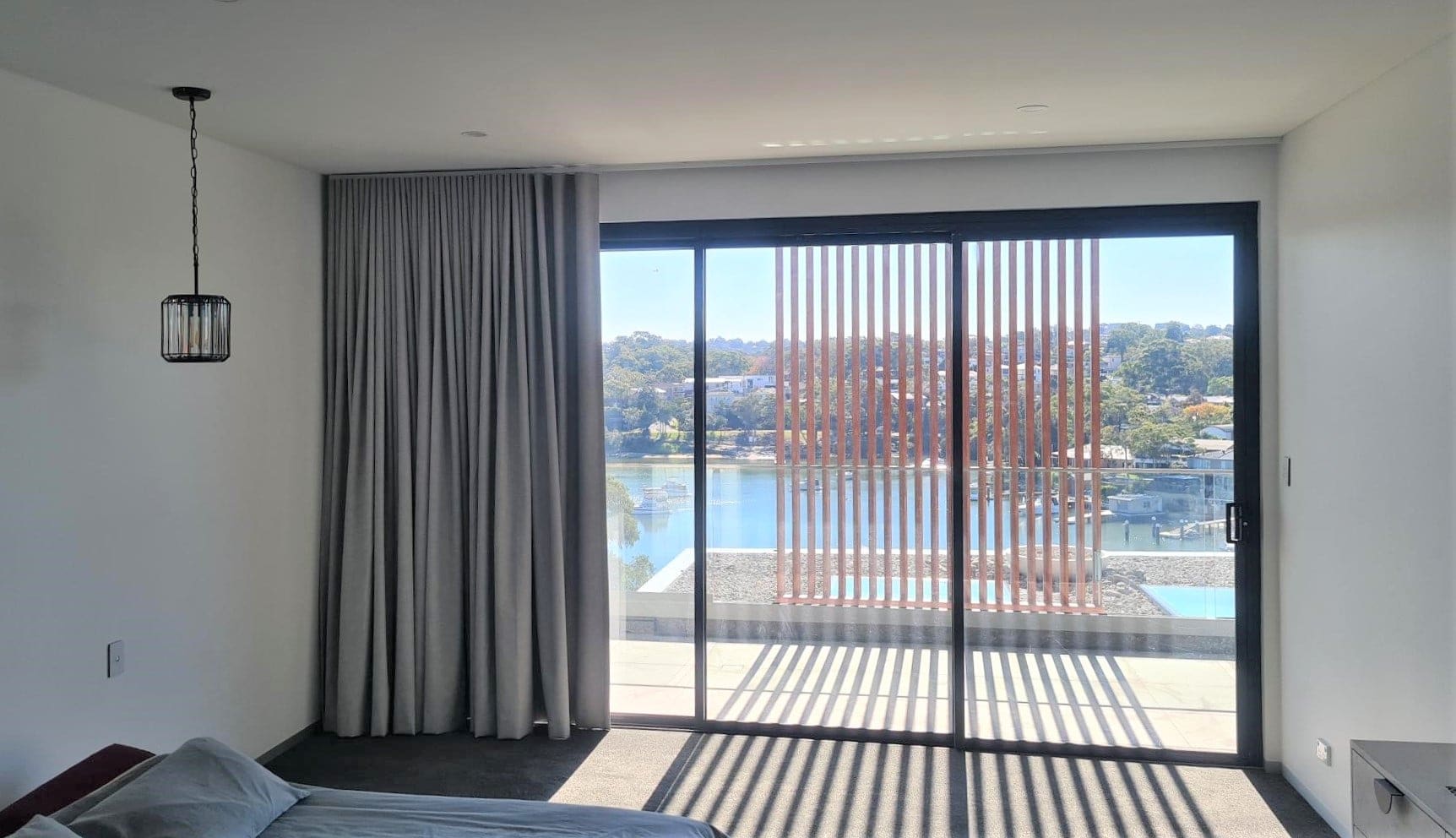
The blinds that block the most light
If you want a genuinely dark room, the short answer is that blockout roller blinds and blockout cellular (honeycomb) blinds block the most light, especially when they are fitted with side channels or paired with a pelmet to seal the edges. On their own, no blind blocks 100 percent of light, because a small gap always sits between the blind and the window frame. The real trick to a dark bedroom, nursery or media room is choosing the right fabric and then closing those gaps. Here is how the main options compare for Australian homes.
Blockout roller blinds
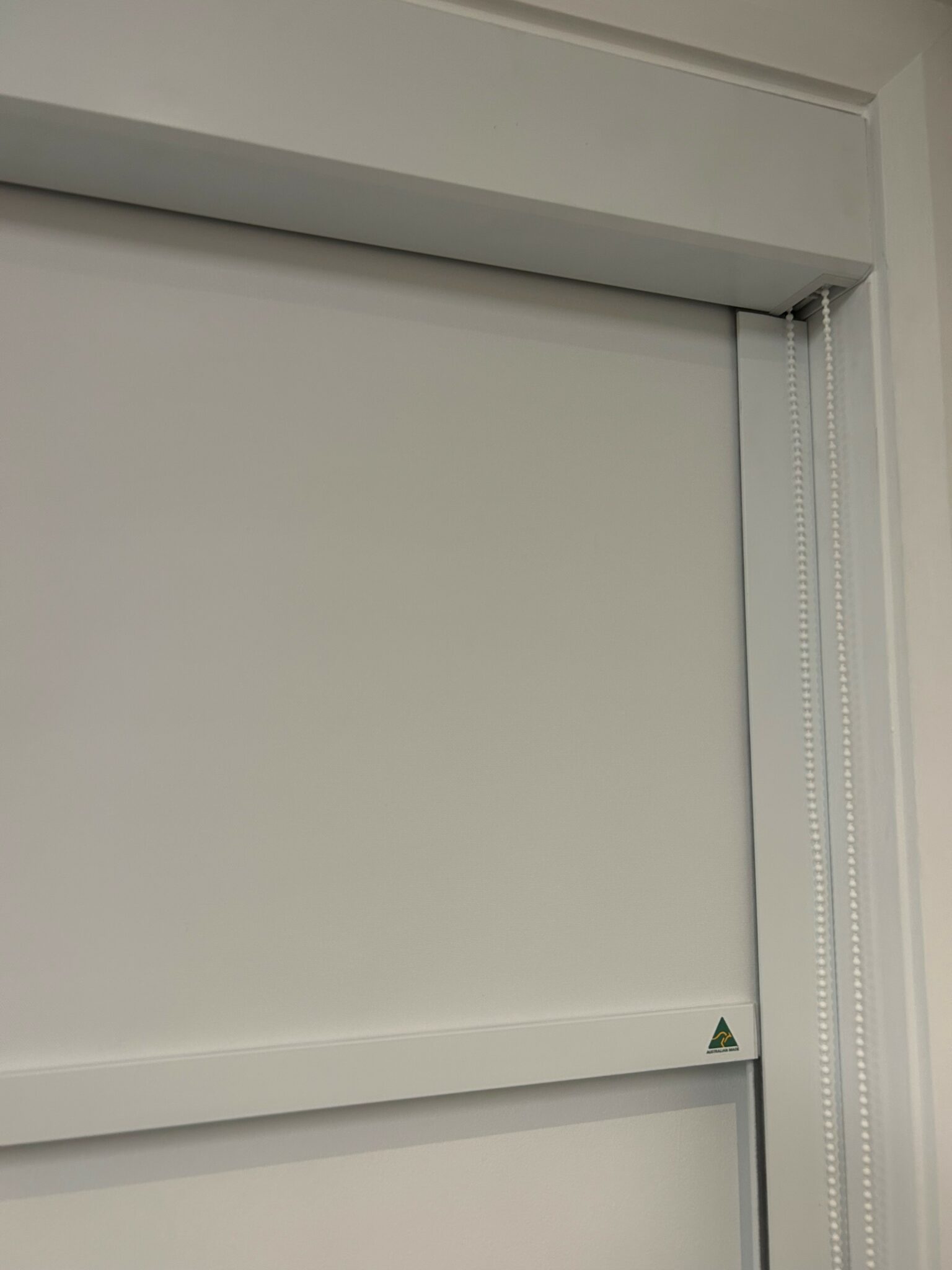
A blockout roller uses a tightly woven, coated fabric that stops light passing through the material itself. It is the most popular choice for bedrooms because it is affordable, simple to use and comes in hundreds of colours. The catch is the edges: light leaks down the sides and over the top of the roll. Add side channels and a pelmet or reverse roll, and a blockout roller gets you very close to full darkness.
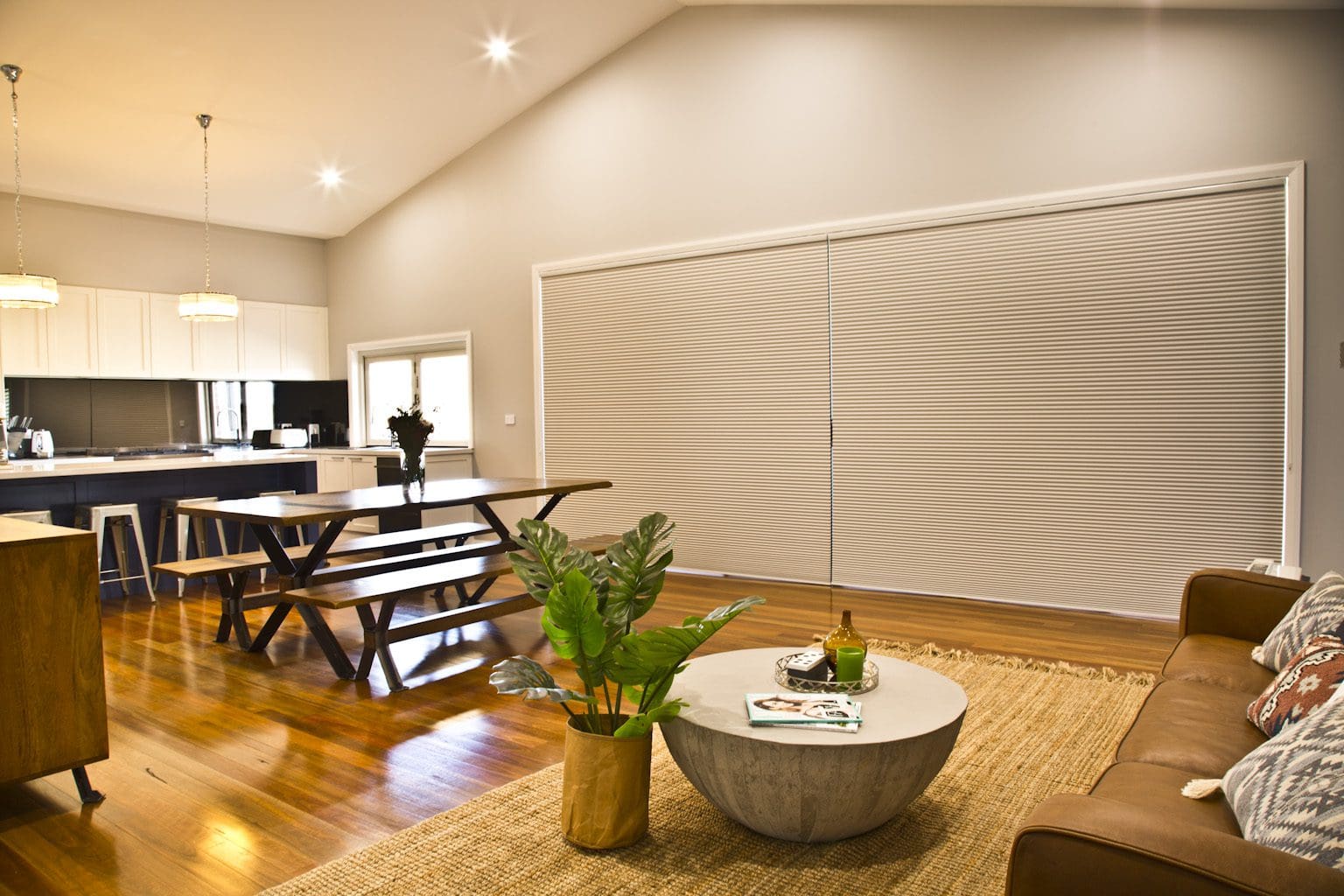
Blockout cellular (honeycomb) blinds
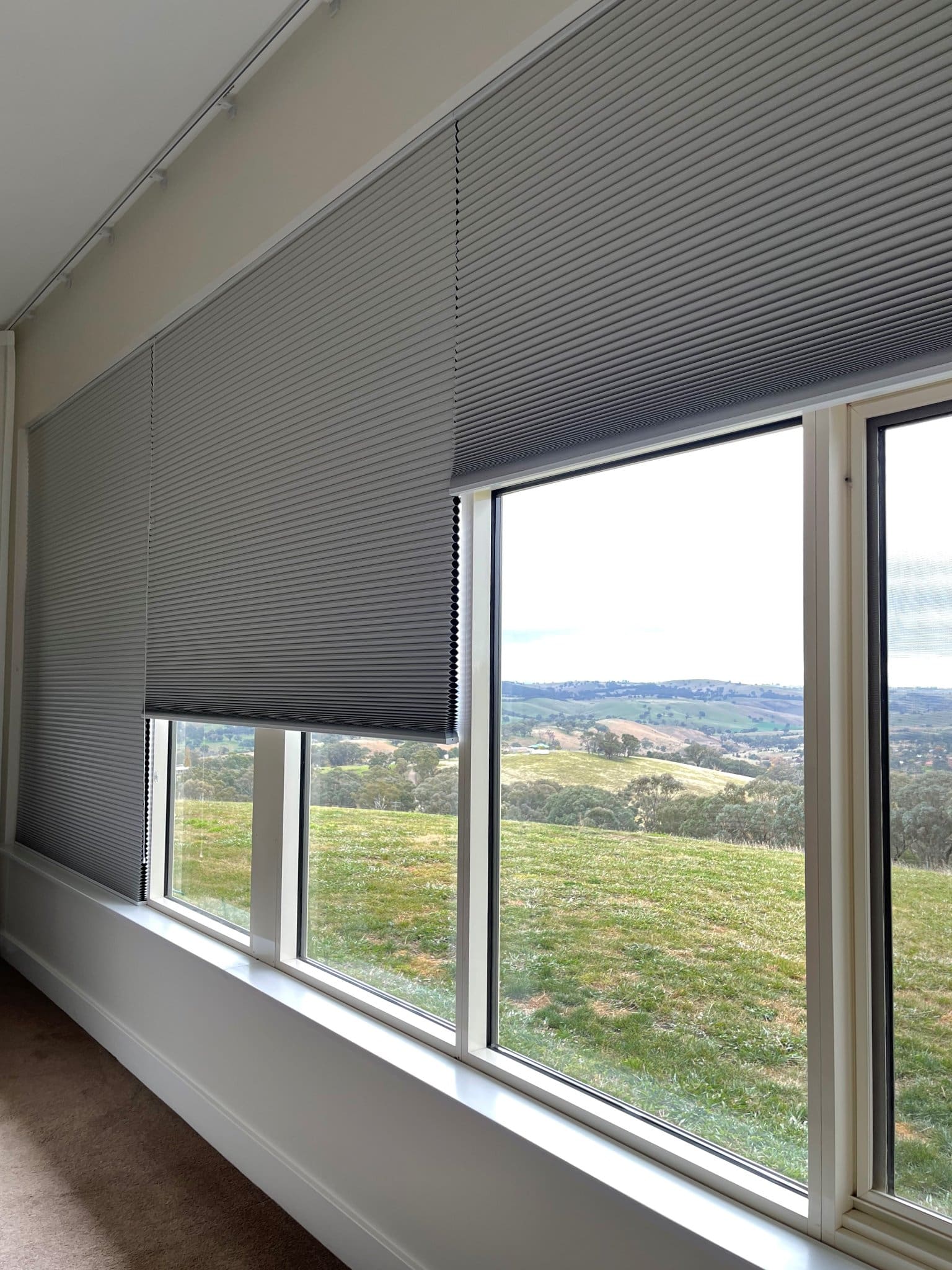
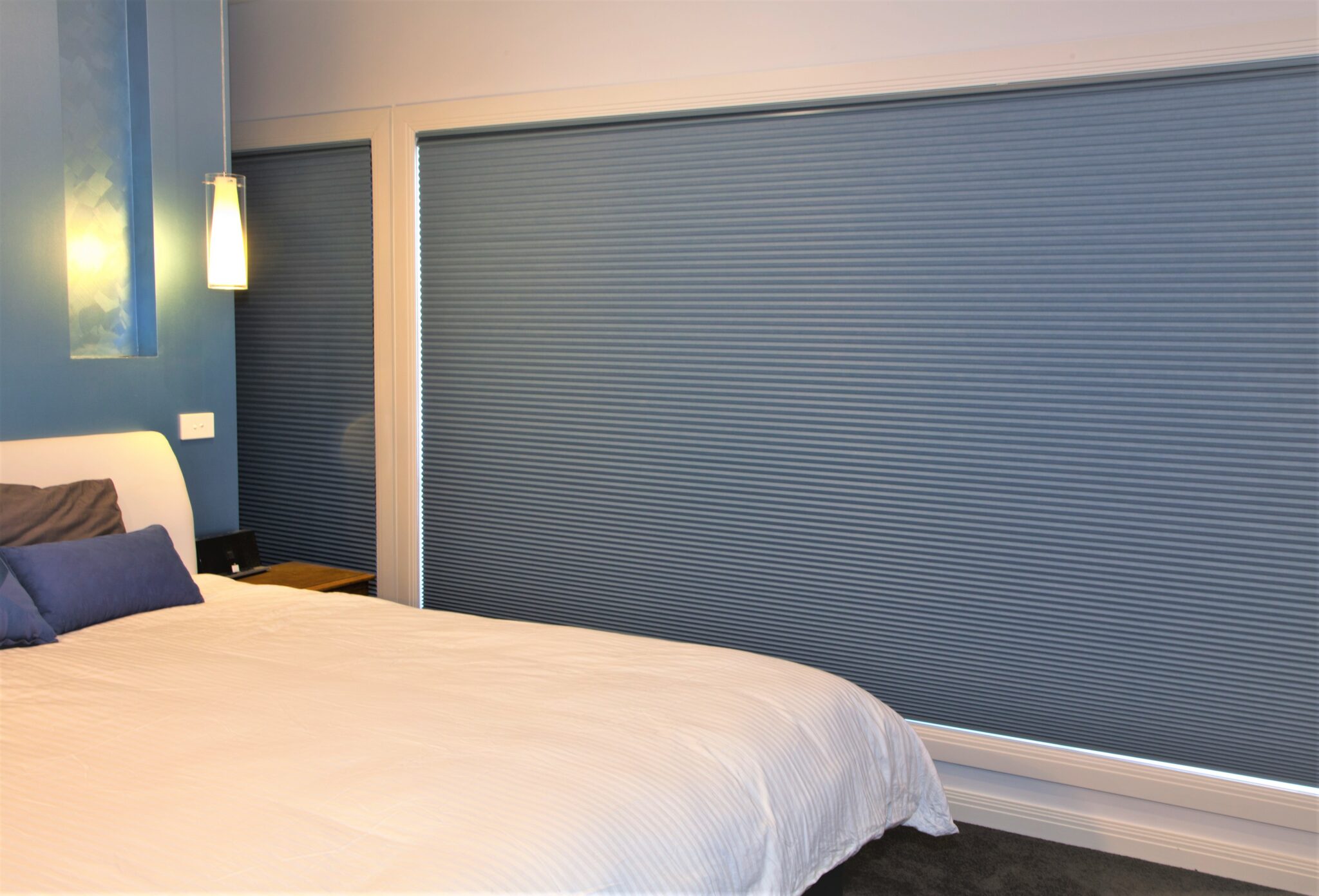
Cellular blinds, also called honeycomb blinds, use a blockout fabric folded into insulating cells. They block light as well as a roller blind, and because the fabric traps air, they also cut heat and noise. That makes them a strong pick for hot, west-facing bedrooms. Fitted inside the reveal with minimal gaps, they are one of the best all-round light blockers you can buy.
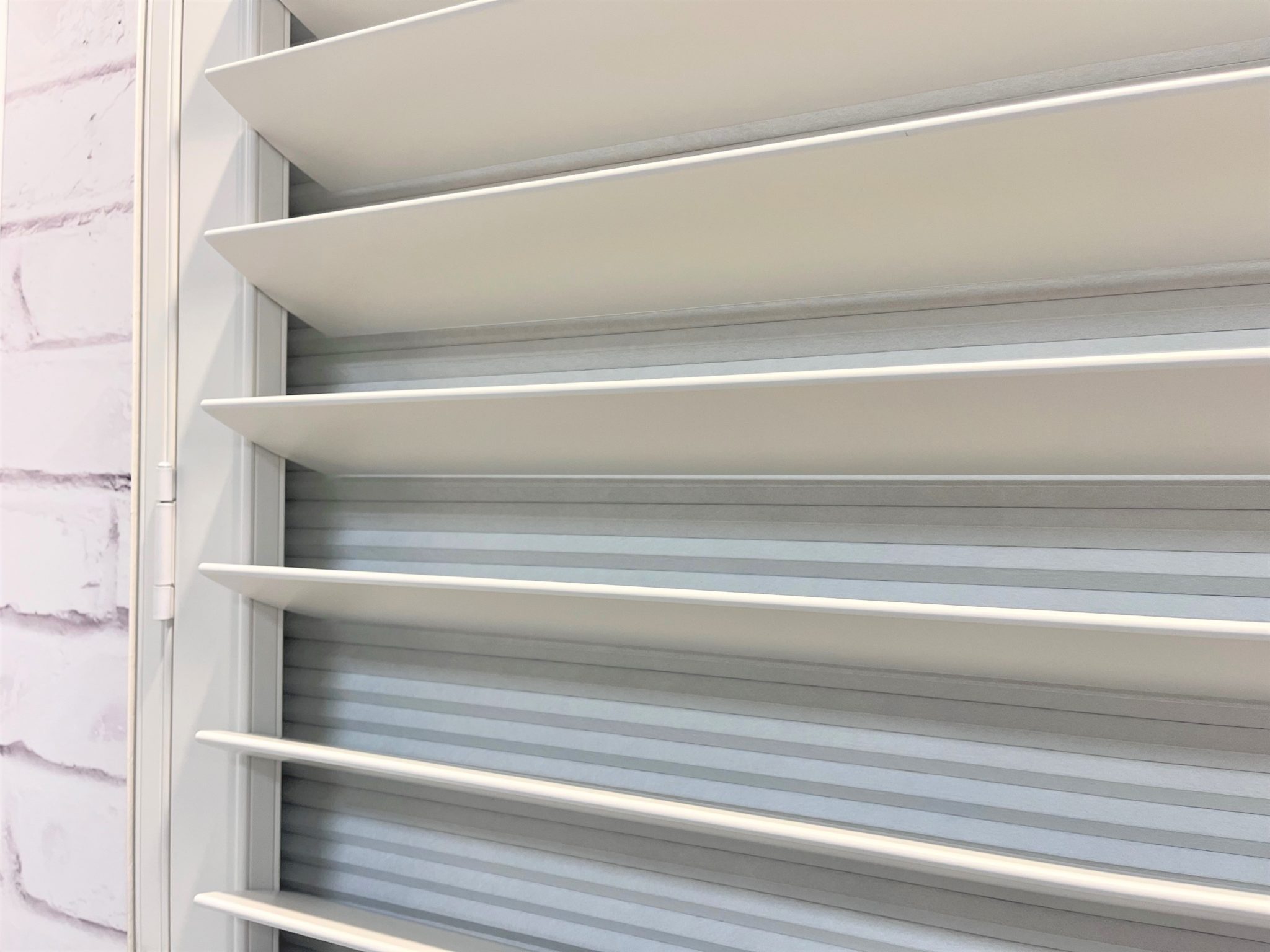
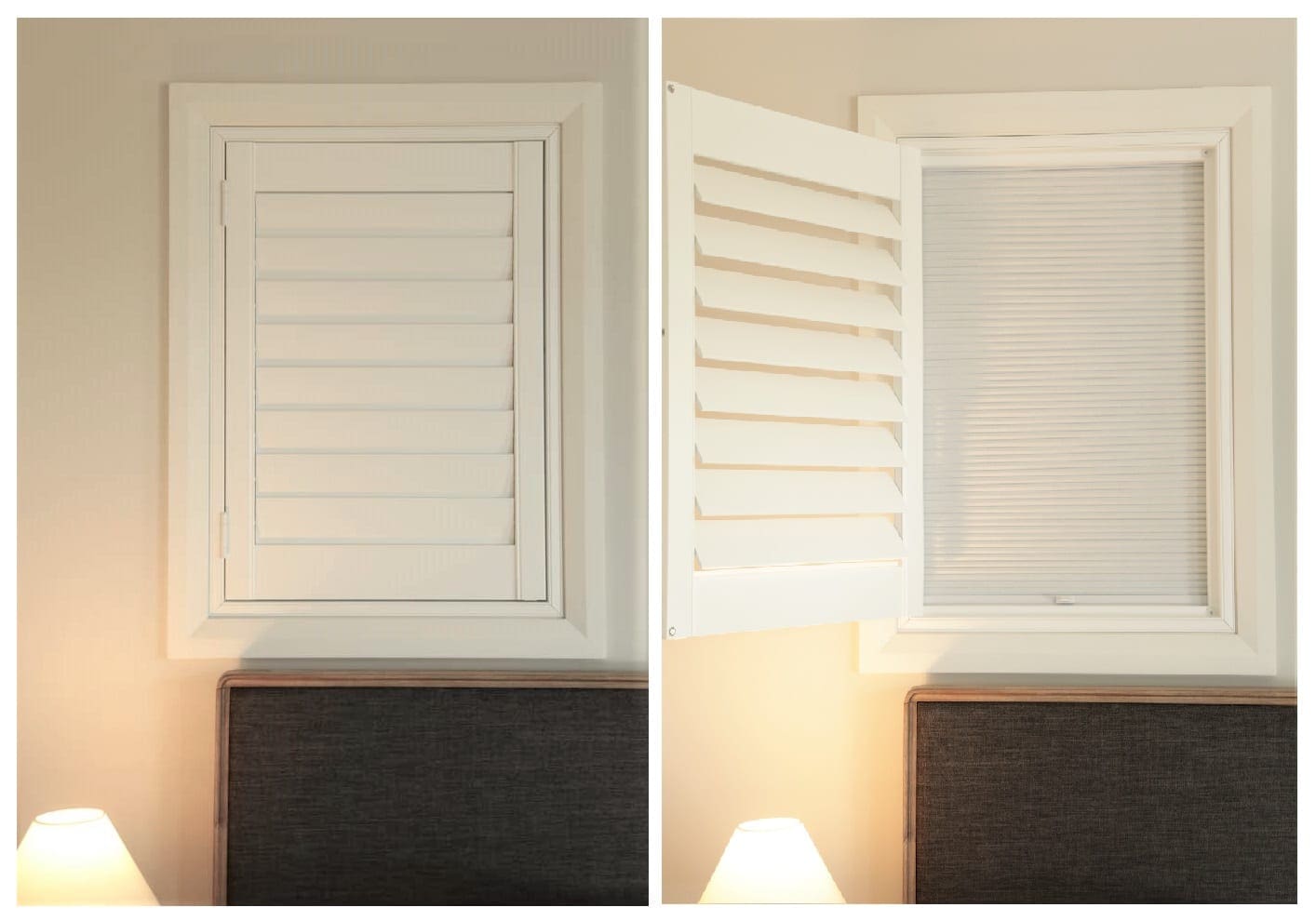
Plantation shutters with a blockout blind
Plantation shutters give excellent light control and privacy, and with the louvres closed they darken a room well. For total blackout, many homeowners pair shutters with a slimline blockout blind behind them, which looks tidy and blocks light from two directions.
Dual and day-night blinds
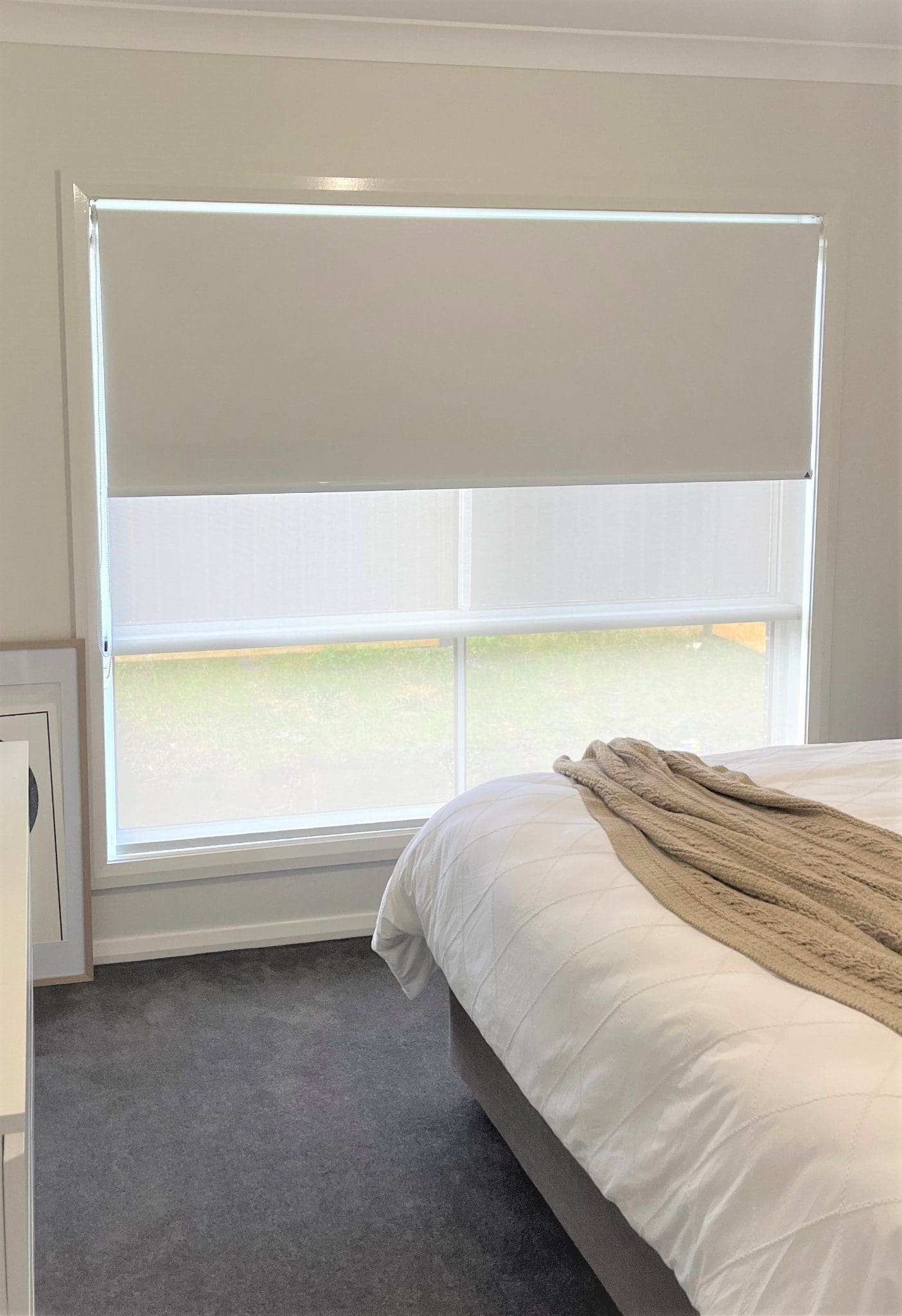
Dual roller and zebra (day-night) blinds combine a blockout layer and a sheer layer on one bracket, so you can switch between privacy-with-light and full block-out. They are a flexible choice for living areas, though for a pure blackout bedroom a dedicated blockout blind with side channels still wins.
Why “blockout” does not always mean total darkness
This is the part most guides skip. A blockout fabric stops light through the material, but light still sneaks in around the blind. To get a genuinely dark room you need to manage three gaps:
- Sides: fit side channels, or mount the blind outside the reveal so it overlaps the frame.
- Top: use a pelmet or a reverse-roll roller so light does not spill over the top of the roll.
- Bottom: choose a bottom rail that sits flush against the sill.
Get those three right and even a mid-range blockout roller will darken a room far better than a premium fabric fitted poorly.
Blocking heat as well as light
In an Australian summer, blocking light and blocking heat go together, especially on west-facing windows. Cellular blinds are the standout here because the honeycomb cells insulate against heat, and external options like aluminium shutters or outdoor blinds stop the sun before it even reaches the glass. If your goal is a cooler and darker room, combine an internal blockout blind with external shading.
So what should you choose
For a blackout bedroom on a budget, a blockout roller blind with side channels. For a hot, west-facing room, blockout cellular blinds. For a premium look with total darkness, plantation shutters with a blockout blind behind. For flexibility in a living space, a dual or day-night blind.
Common Questions